Unmasking Autism: Discover Yourself with an Autistic Quiz
Do you ever feel like you're playing a part in your own life? For many autistic adults, the feeling of exhaustion from constantly adapting to social norms is a daily reality. This constant performance is known as autistic masking, and while it can be a survival tool, it often comes at a high cost. This guide offers a compassionate path to understanding this experience, helping you explore the possibility of unmasking autism and reclaiming your authentic self. How do I know if I am autistic? For many, the first step is gaining self-knowledge, and an autistic quiz can be a powerful tool on that journey.
The process of unmasking is not about changing who you are; it's about allowing who you are to finally emerge. It's a journey back to yourself, filled with discovery and self-acceptance. If you've been searching for an explanation for why social interactions feel so draining, you are not alone. Understanding your traits is the first step toward a more authentic life, and a screening tool like the CATQ test online can offer valuable insights.
What is Autistic Masking & Why We Do It
Autistic masking, or camouflaging, is the conscious or subconscious suppression of natural autistic traits to fit in with neurotypical social expectations. It’s more than just being polite; it's an intricate, often exhausting act of self-monitoring and adaptation. This can involve forcing eye contact even when it's uncomfortable, mimicking the social behaviors of others, or hiding repetitive movements known as stimming.
The motivations behind masking are complex and deeply human. Many autistic people learn to mask from a young age to navigate a world not built for them. It is a strategy to build relationships, succeed in school or the workplace, and avoid bullying or judgment. At its core, masking is a protective mechanism designed to foster connection and safety.
Understanding the Concept of Autistic Masking
Think of camouflaging as wearing a social costume. An autistic person might develop a "script" for small talk, practice facial expressions in the mirror, or push through intense sensory overload at a party to appear "normal." This isn't about being deceptive; it's a learned adaptation. Over time, this costume can become so integrated that the individual may not even be aware they are wearing it, only feeling its immense weight through chronic fatigue and anxiety.

Common Reasons Autistic Individuals Mask
The drive to mask often stems from external pressures and the fundamental human need for acceptance. An individual might mask to avoid being seen as "weird" or "rude" for their direct communication style. Others might do it to secure a job, as many workplace cultures reward neurotypical social skills. This constant effort can lead to severe social anxiety, as the fear of the mask slipping is always present. The desire to connect with others is universal, and for many autistic people, masking feels like the only way to achieve it.
The Cost of Masking: Burnout & Mental Health
While masking can provide short-term social benefits, its long-term cost to mental health is significant. The constant self-monitoring and suppression of natural instincts drain an incredible amount of cognitive and emotional resources. This relentless effort is a direct path to autistic burnout, a state of profound exhaustion that impacts every aspect of life.
Living behind a mask can also lead to a fractured sense of identity. When you spend your life pretending to be someone you're not, it becomes difficult to know who you truly are. This disconnection from your authentic self can contribute to depression, anxiety, and a persistent feeling of emptiness. If you feel this way, an autism spectrum quiz may help you begin to connect the dots.
Recognizing the Signs of Autistic Burnout
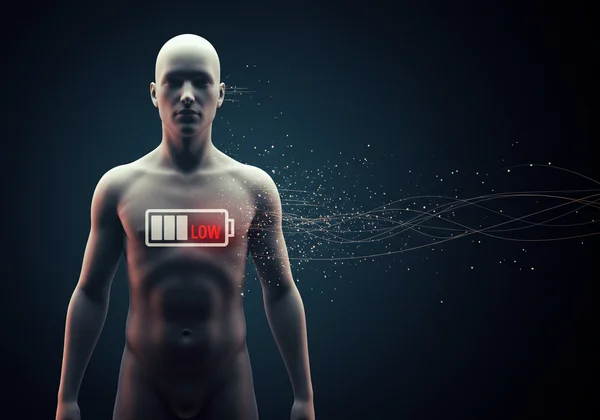
Autistic burnout is more than just feeling tired; it’s a debilitating state of exhaustion. Signs include a loss of skills (e.g., struggling with tasks that were once easy), increased sensory sensitivity, chronic fatigue, and a reduced capacity for social interaction. It feels like your internal battery is completely depleted, and no amount of rest seems to recharge it. Protecting your mental energy becomes a top priority, often requiring complete withdrawal from social life.
Impact on Well-being, Identity, and Authentic Self
The erosion of well-being caused by masking is profound. It disconnects you from your genuine needs, preferences, and emotions. This can make it hard to set boundaries, as you're accustomed to prioritizing others' comfort over your own. The journey toward self-acceptance begins with acknowledging the cost of masking and giving yourself permission to explore who you are beneath it. This is a crucial step in building a sustainable and fulfilling life.
Practical Strategies for Autistic Unmasking
Beginning the journey of unmasking can feel daunting, but it doesn't have to happen all at once. The key is to take small, intentional steps in environments where you feel safe and supported. These autistic masking strategies are not about a sudden reveal but a gradual process of rediscovery and self-compassion.
Remember, unmasking is a personal journey. There is no right or wrong way to do it. The goal is to align your external actions with your internal reality, allowing for a more integrated and peaceful existence. Exploring your potential traits with an online autistic quiz can be an empowering first step in this process.
Starting Your Unmasking Journey: Small, Safe Steps
Begin with people you trust the most, such as a close friend, partner, or therapist. You might start by allowing yourself to stim freely when you're alone or with them. You could also practice declining a social invitation without giving an elaborate excuse. These small acts of authenticity build confidence and help you learn effective coping mechanisms that don't involve self-suppression.
Identifying Your True Needs and Preferences
Masking often means ignoring your body's signals. A crucial part of unmasking is learning to listen to yourself again. Do you need more quiet time to recover from social events? Do bright lights or loud noises cause sensory overload? Keep a journal to track what energizes you and what drains you. This self-awareness is fundamental to building a life that honors your needs.
Communicating Your Authentic Self to Others
As you become more comfortable, you can start communicating your needs to others. This might involve telling a friend, "I'd love to see you, but a noisy restaurant is too much for me. Could we take a walk instead?" Explaining your needs allows others to understand and support the real you. It's also an opportunity to educate them about neurodiversity and advocate for a more inclusive world.
Embracing Your Neurodivergent Self
The ultimate goal of unmasking is not just to stop hiding but to joyfully embrace who you are. Neurodivergent unmasking is a radical act of self-love. It involves shifting your perspective from seeing your autistic traits as deficits to recognizing them as integral parts of your identity, complete with unique strengths.
Living authentically means creating a life that aligns with your neurotype, not fighting against it. This involves curating your environment, choosing relationships that are supportive, and pursuing activities that bring you genuine joy. This journey is about finding harmony between yourself and the world around you.
Celebrating Neurodiversity and Unique Strengths
Many autistic individuals possess incredible strengths, such as deep focus, strong pattern recognition skills, unwavering loyalty, and a unique creative perspective. Unmasking allows you to reclaim the energy you once spent on pretending and redirect it toward your passions and special interests. Celebrate what makes you different; it is the source of your greatest power.
Finding Your Community and Support Systems
You don't have to go on this journey alone. Connecting with other autistic people can be incredibly validating. Online forums, social media groups, and local meetups provide spaces where you can share experiences and feel understood without judgment. Finding your community is especially crucial for those experiencing late-diagnosed autism, as it provides the validation that may have been missing for decades.
Your Journey to an Authentic Life Starts Now
Unmasking autism is a profound, personal journey toward self-discovery and liberation. It’s about dismantling the façade you built to survive and finally allowing your authentic self to thrive. This process takes courage, patience, and self-compassion, but the reward—a life lived with less exhaustion and more joy—is immeasurable.
If this article resonates with you, it may be time to take the next step. Understanding your traits is foundational to building a life that supports your well-being. An autistic quiz for adults can be an enlightening place to start. Our scientifically-backed screening tools, like the CATQ, are designed to help you explore these traits in a confidential, supportive environment. Start your journey today and discover the freedom of being truly you.
Frequently Asked Questions About Autistic Unmasking & Self-Discovery
What is autistic masking, and how can I tell if I'm doing it?
Autistic masking is the act of hiding or suppressing natural autistic traits to fit into a neurotypical world. You might be masking if you feel perpetually exhausted after socializing, consciously mimic others' body language, force eye contact that feels unnatural, or hide your true interests for fear of judgment. It often feels like you're constantly "on stage."
Can an online autistic quiz help me understand my masking traits?
Yes, an online autistic quiz can be a very helpful first step. Tools like the Camouflaging Autistic Traits Questionnaire (CATQ), available on our website at AutisticQuiz.com, are specifically designed to measure the extent to which you may be masking. While not a formal diagnosis, the results can provide powerful insights and language to describe your experiences, helping you on your path to self-understanding.
What are the benefits of unmasking for autistic adults?
The benefits are significant and life-changing. They include reduced anxiety and burnout, improved mental health, stronger and more authentic relationships, and a clearer sense of self-identity. Unmasking allows you to conserve your energy for things you truly care about, leading to a more peaceful and fulfilling life.
Are there risks or challenges associated with unmasking?
Yes, it's important to be realistic. Unmasking can be challenging. Some people in your life may react negatively or with confusion when you change your behavior. It can also feel vulnerable and uncomfortable at first. This is why it's crucial to start slowly, in safe environments, and build a strong support system around you.
What should I do after taking an autistic quiz about masking?
After taking a quiz, take time to reflect on your results. They are a tool for self-exploration, not a definitive diagnosis. Consider connecting with the autistic community online to hear about others' experiences. If your results suggest you may have autistic traits, you might choose to discuss them with a therapist or healthcare professional who specializes in adult autism. Explore your traits to begin this important process.