Stimming & Autistic Quiz: Your Guide to Self-Regulation on the Spectrum
Ever wonder about the repetitive movements and sounds you make? Welcome to the world of stimming. If you're autistic or questioning your neurotype, you might feel confused or even embarrassed by these behaviors. Let's demystify stimming, explain its crucial purpose, and empower you to embrace it as a vital part of neurodiversity. What is stimming? It’s a core aspect of self-regulation and a foundational step toward self-discovery and acceptance.
Understanding your unique traits is a journey. For many, this journey begins with a simple question and a desire for clarity. If you're exploring your own neurotype, a helpful first step can be to explore your traits through a structured self-assessment.
What is Stimming and Why Do Autistic People Do It?
Stimming, short for self-stimulatory behavior, refers to repetitive actions, sounds, or movements. While everyone stims to some degree—like tapping a pen or bouncing a leg—for autistic people, it serves a much more profound and necessary purpose. It's a powerful tool for navigating a world that can often feel overwhelming.
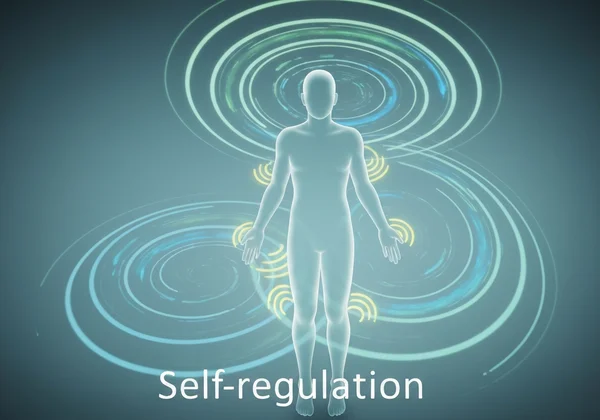
Defining Stimming: More Than Just a Habit
Stimming is not a meaningless habit to be stopped or a sign of misbehavior. It is a natural, adaptive response that helps autistic individuals manage their sensory input and emotional state. Think of it as a personal regulator, a way to create a predictable rhythm in an unpredictable environment. It's a physical expression of an internal experience, bringing comfort and focus.
The Core Functions: Sensory Regulation & Emotional Expression
Essentially, stimming helps in two main ways. First, it helps with sensory regulation. An autistic person might feel under-stimulated and use stimming to increase sensory input, or they might feel overwhelmed and use it to block out excessive stimuli. Second, it's a vital form of emotional expression. When words fail, a repetitive motion can communicate intense joy, anxiety, or deep thought, providing an essential outlet for feelings.
Exploring Different Types of Stims: Beyond the Stereotypes
When people think of stimming, they often picture hand-flapping or rocking. While these are common, the world of stimming is incredibly diverse and personal. Recognizing the variety can help you better understand yourself or a loved one. Many find that identifying their own patterns is a key part of their self-discovery, which can be further explored with an online autistic quiz.
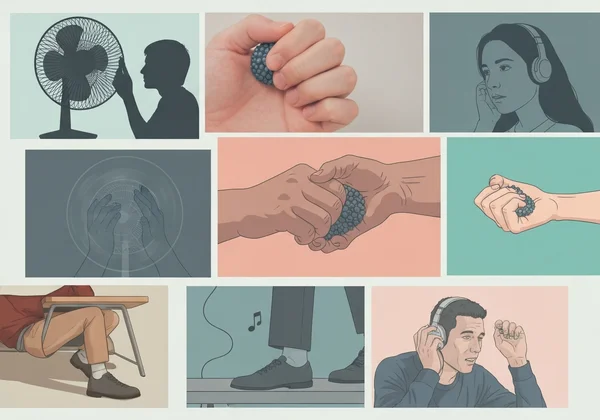
Visual Stims: Observing the World and Ourselves
Visual stims engage the sense of sight. This can include staring at repetitive patterns like flowing water or spinning fans, looking at lights from the corner of your eye, or even repeatedly blinking. It can also involve lining up objects or watching the same clip of a video over and over, creating a sense of predictable visual order.
Auditory Stims: Sounds, Rhythm, and Voice
Auditory stimming involves making or listening to sounds. Examples range from humming, clicking your tongue, or repeating words and phrases (echolalia) to listening to the same song on a loop. The rhythm and predictability of these sounds provide a comforting and regulating effect on the nervous system.
Tactile & Proprioceptive Stims: Touch and Body Awareness
This is a broad category involving the sense of touch and body position. Tactile stims include rubbing soft fabrics, fidgeting with objects, or skin-picking. Proprioceptive stims, which relate to body awareness, include rocking back and forth, tensing muscles, cracking knuckles, or applying deep pressure through hugs or weighted blankets.
Olfactory & Gustatory Stims: Scents and Tastes
Less commonly discussed but equally important are stims related to smell and taste. This might look like repeatedly smelling a favorite object, lotion, or perfume for comfort. It could also involve chewing on non-food items like pen caps or shirt collars, or tasting specific textures and flavors as a way to self-soothe.
Stimming and Stigma: Why is 'Is Stimming Normal?' a Common Question?
One of the most frequent questions people have is whether their stimming is "normal." This question comes up so often because social conditioning pressures us all to conform to a narrow standard of behavior. For autistic individuals, this pressure can lead to shame and the exhausting practice of masking, or hiding, their natural tendencies.
Unpacking the Social Stigma Around Stimming
Society often misunderstands or misinterprets stimming, labeling it as strange or disruptive. This stigma forces many autistic people to suppress their stims, especially in public. Suppressing this vital coping mechanism can lead to increased anxiety, sensory overload, and eventually, autistic burnout. It's like being told you can't scratch an itch—it takes immense energy and focus away from everything else.

Embracing Stimming for Well-being and Authenticity
Embracing stimming is an act of self-acceptance. It is acknowledging your needs and allowing yourself to meet them in a way that feels right for you. When you allow yourself to stim, you are honoring your neurotype and giving your body the regulatory input it needs to function. This path to authenticity can be challenging, but it is essential for long-term well-being. A great place to start is to understand yourself better.
Practical Strategies: Supporting Stimming in Daily Life
Learning to work with your stims instead of against them can transform your daily experience. It's about finding a balance between your needs and navigating social expectations. This process is highly individual, but here are some strategies to get started.
Identifying Your Stimming Needs and Triggers
Pay attention to when and why you stim. Do you do it when you're excited? Anxious? Bored? Overwhelmed? Keeping a simple journal can help you identify patterns and triggers. Understanding the "why" behind your stims empowers you to anticipate your needs and manage your environment more effectively. This self-awareness is a skill you can build over time.
Finding "Safer" or Less Noticeable Stims
If you're concerned about judgment in certain environments, like at work or school, you don't have to stop stimming entirely. Instead, you can find more discreet alternatives. For example, if you rock your whole body, you might try a foot-tapping or leg-bouncing stim under a desk. Fidget toys, spinner rings, or textured jewelry can redirect the need for tactile input into a less noticeable action.
Advocating for Your Stimming Needs
For many, self-advocacy is a crucial step. This might mean explaining your needs to trusted friends, family, or colleagues. You could say something simple like, "I sometimes tap my fingers because it helps me focus. It's just how my brain works." Normalizing the conversation helps reduce stigma and creates a more accepting environment for everyone.
Embrace Your Stims: Discover Self-Understanding with an Autistic Quiz
Stimming is not something to be ashamed of or eradicated. It is a fundamental, intelligent, and adaptive part of being autistic. It is a language of the nervous system, communicating needs for regulation, expression, and comfort. By understanding, accepting, and even celebrating your stims, you take a powerful step toward living more authentically and comfortably in your own skin.
This journey of self-discovery is deeply personal. If what you've read here resonates with you, it may be time to explore further. Taking an Am I Autistic quiz can provide valuable insights and be the next step on your path to self-knowledge and acceptance.
Frequently Asked Questions About Stimming and Autism
Is stimming always a sign of autism?
No, not necessarily. As mentioned, all people engage in some form of self-stimulatory behavior. However, for autistic individuals, the frequency, intensity, and necessity of stimming are often much greater. It serves a more critical function for self-regulation rather than just being a simple habit.
Can an Autistic Quiz Help Me Understand My Stimming?
Yes, they can be a very helpful tool. While not a formal diagnosis, an autistic quiz for adults can help you see how behaviors like stimming fit into a broader pattern of autistic traits. It can provide structure for your self-reflection and validate your experiences.
What are the risks of suppressing stimming?
Suppressing stimming, often called masking, requires immense mental and emotional energy. The long-term risks include heightened anxiety, sensory overload, difficulty concentrating, and a higher likelihood of experiencing autistic burnout. It can also lead to a diminished sense of self.
How can I explain my stims to others?
Keep it simple and direct. You can explain that it’s a way you help yourself focus, stay calm, or handle sensory information. Comparing it to something more universally understood, like how some people doodle in meetings, can also be effective. The key is to frame it as a functional tool, not a strange habit.
Should I try to stop my child from stimming?
In almost all cases, no. Stimming is a healthy and necessary coping mechanism for autistic children. The focus should not be on stopping the stim, but on understanding what it communicates. The only exception is if a stim is harmful (e.g., head-banging). In that case, the goal is to find a safer, alternative stim that meets the same sensory need.