Neurodiversity Explained: Understanding Your Autistic Quiz Results
Have you ever felt like your brain is wired differently? Maybe you notice details others miss, feel social situations differently, or simply process the world in a unique way. For many, taking an online autistic quiz is the first step toward understanding these feelings. But what do the results really mean?
Understanding your traits is not just about a score; it's about seeing where you fit within the beautiful, broad spectrum of human minds. This concept is called neurodiversity. It's a powerful idea that helps us move from asking "What's wrong with me?" to "What are my unique strengths?"
This guide will explain what neurodiversity is and how it connects to your autistic quiz results. Learning about this framework can be the key to self-acceptance, helping you understand your experiences in a more positive and empowering light. If you're ready to start this journey, an autistic quiz can provide the first valuable insights.
What is Neurodiversity? Beyond Traditional Medical Models
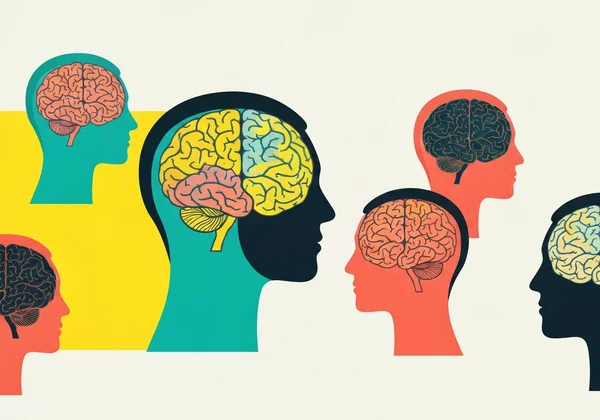
Neurodiversity is a simple yet profound idea: brain differences are normal, not deficits. Just as we have biodiversity in nature, we have neurodiversity in the human population. This concept reframes conditions like autism, ADHD, and dyslexia not as disorders to be cured, but as natural variations in the human genome. It challenges the old view that there is only one "right" way for a brain to work.
The Origins of Neurodiversity: From Disability to Diversity
The term "neurodiversity" was coined in the late 1990s by sociologist Judy Singer, who is autistic herself. She wanted to shift the conversation away from the language of disease and disability. The movement she helped start argues that society should appreciate these neurological differences and accommodate them, rather than trying to force everyone to think and behave in the same way. This perspective empowers individuals to see their traits as a part of their identity.
How Neurodiversity Differs from Medical Perspectives
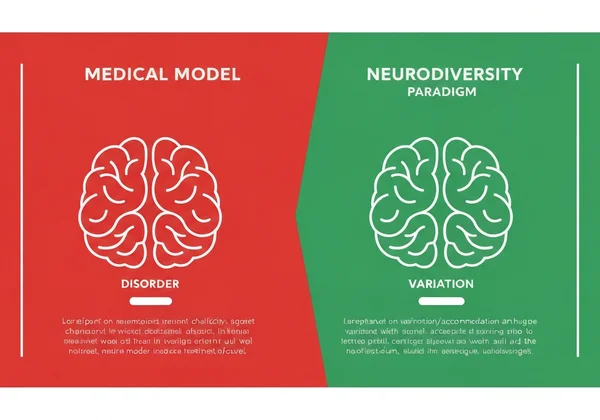
Traditional medical models often focus on what a person can't do. They use terms like "disorder" and "deficit" to describe traits that fall outside the typical range. This is known as the "pathology paradigm."
In contrast, the neurodiversity paradigm views these differences as just that—differences. It doesn't ignore the real challenges that autistic individuals may face. Instead, it suggests that many of these challenges come from a mismatch between a person's neurotype and the environment they're in—an environment often designed by and for neurotypical people. It’s about changing the environment, not the person.
The Spectrum of Human Cognition: A New Framework
Neurodiversity offers a new framework for understanding the mind. It sees human cognition as a wide spectrum with endless variations. For example, some people are great at social small talk, while others excel at deep, focused analysis. Similarly, some thrive in loud, busy environments, while others need quiet to function at their best.
None of these ways of being are inherently better than the other. Recognizing this spectrum helps us appreciate the diverse talents and perspectives that different minds bring to the world. It’s a shift from a one-size-fits-all view to one that celebrates every unique way of thinking.
Connecting Your Autistic Quiz Results to Neurodiversity
After taking an online test, you might receive a score that suggests you have autistic traits. This is where the concept of neurodiversity becomes incredibly helpful. It gives you a positive and constructive lens through which to view your results. Instead of seeing a label, you can see a new way to understand yourself.
Interpreting Your Quiz Results Through a Neurodiversity Lens
When you look at your results, try to think beyond a simple number. Each question you answered likely points to a specific trait. For example:
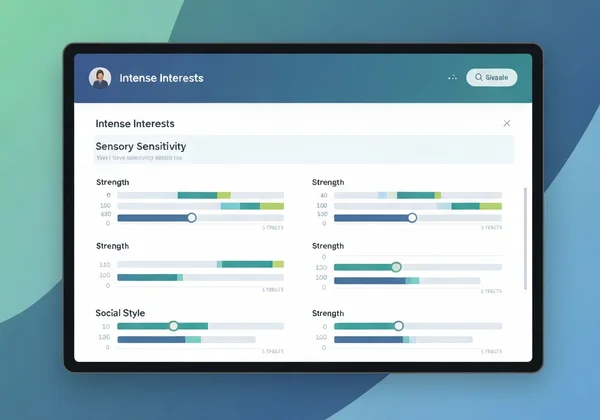
- Intense Interests: A high score in this area might not be a "symptom," but a sign of your ability to focus deeply and develop expert-level knowledge. This is a powerful strength.
- Sensory Sensitivity: Being sensitive to lights or sounds isn't a flaw. It means your brain is highly attuned to the environment, allowing you to notice details others might miss.
- Different Social Style: If you struggle with typical social rules, it might mean you value direct, honest communication over small talk.
Seeing your traits this way helps you reframe challenges as unique characteristics. To explore how your traits fit together, you can start your test and receive a personalized AI analysis.
Beyond Diagnosis: Embracing Neurodivergent Identity
For many adults, discovering they might be autistic is a moment of profound relief. It can explain a lifetime of feeling different, of struggling to fit in, or of experiencing social burnout. This is more than just a potential diagnosis; it's about finding an identity.
Embracing a neurodivergent identity means accepting that your brain works differently—and that's okay. This allows you to stop trying to be someone you're not, which is a tiring process known as 'masking.' It's the beginning of a journey toward living more authentically and building a life that accommodates your needs and celebrates your strengths.
The Strengths Revealed by Your Autistic Traits
The neurodiversity movement shines a light on the many strengths associated with the autistic brain. These are not just consolations; they are real, valuable assets. Many autistic individuals demonstrate:
- Exceptional attention to detail: The ability to spot patterns, errors, or inconsistencies that others overlook.
- Deep focus: The capacity for intense concentration on a topic of interest, leading to high levels of expertise.
- Strong sense of justice: A firm commitment to fairness and honesty.
- Logical and analytical thinking: A talent for solving complex problems in a systematic way.
- Creativity and unique perspectives: The ability to approach problems from an original, out-of-the-box angle.
Your quiz results can be the first clue to uncovering these and other autistic strengths within yourself.
Living with Neurodiversity: Practical Applications
Understanding neurodiversity is the first step. The next is applying that knowledge to improve your daily life. It’s about creating an environment where you can thrive as your authentic self. This involves recognizing your needs and leveraging your unique way of thinking.
Leveraging Your Unique Cognitive Patterns
Start by identifying your cognitive strengths. Are you a visual thinker? Do you excel at pattern recognition? Once you know your strengths, you can find ways to use them. For example, if you are a logical thinker, you might create systems and routines to manage daily tasks, reducing mental load and preventing burnout. If you have intense interests, consider turning them into a career or a fulfilling hobby. Leaning into your natural abilities is more effective than forcing yourself to work against them.
Navigating a Neurotypical World: Strategies for Success
Living in a world built for neurotypical minds can be challenging. But with the right strategies, you can navigate it successfully without sacrificing your well-being. This might include:
- Setting boundaries: Learn to say no to social events that you know will drain your energy.
- Using accommodations: Don't be afraid to use tools like noise-canceling headphones or sunglasses to manage sensory input.
- Communicating your needs: Clearly tell friends, family, or colleagues what you need to feel comfortable and productive. For instance, "I work best with written instructions."
These aren't signs of weakness; they are smart adaptations that allow you to conserve your energy for what truly matters.
Building Community and Finding Your Tribe
One of the most powerful aspects of embracing a neurodivergent identity is finding community. Connecting with other autistic or neurodivergent people can be life-changing. For the first time, you may feel truly understood without having to explain yourself.
Online forums, social media groups, and local meetups are great places to find your tribe. Sharing experiences and strategies with others who "get it" provides validation, reduces feelings of isolation, and builds a strong support network. You are not alone on this journey.

Your Journey to Self-Acceptance Through Neurodiversity
Understanding neurodiversity transforms your autistic quiz results from a simple score into a roadmap for self-discovery. It helps you see that having a different kind of mind is not a problem to be fixed, but a unique identity to be embraced. Your traits, from deep focus to a strong sense of justice, are valuable strengths.
When you embrace your unique cognitive patterns and navigate the world in ways that work for you, you're building a life that feels genuinely successful and true to who you are. The journey to self-acceptance begins with understanding.
Are you ready to take the next step in understanding your own mind? Take the free online quiz to gain personalized insights into your traits and begin your journey of self-discovery today.
The Takeaway
Is neurodiversity the same as autism?
No, they are related but different. Neurodiversity is a broad concept that includes all natural variations in human brain function, including autism, ADHD, dyslexia, and even neurotypical brains. Autism is one specific type of neurodivergence within that wider spectrum.
Can an online quiz really tell me if I'm neurodivergent?
An online quiz cannot provide a medical diagnosis. However, a well-designed tool, like those based on the CAT-Q, can be a highly effective screening instrument. It can help you identify traits and patterns that suggest you might be neurodivergent. Think of it as a first step to gather information for self-understanding or to discuss with a professional. Our online autistic quiz is a great place to start.
What are the common strengths of autistic people?
Many autistic individuals possess remarkable strengths. These often include strong pattern recognition, excellent long-term memory, deep focus and expertise in areas of interest, loyalty, honesty, and a unique, creative perspective on problem-solving. These autistic strengths are valuable assets in many areas of life.
How can I learn more about my neurodivergent traits?
Taking a scientifically-backed online quiz is an excellent way to begin. With our quiz tool, you can explore your traits and receive an AI-powered report that offers personalized insights. Beyond quizzes, reading books and blogs by autistic authors and joining online neurodivergent communities are great ways to learn from the lived experiences of others.