Is My Partner Autistic? Quiz & Relationship Support Guide
Are you noticing unique patterns in your partner's behavior, communication, or social interactions that leave you feeling puzzled? It's natural to seek understanding when you love someone, and this search for clarity is an act of deep care. If you've ever found yourself wondering, "Is my partner autistic?", you're not alone. This guide will explore common autistic traits in adults, how they manifest in relationships, and offer insights for support, starting with an is my partner autistic quiz to gain initial clarity. The journey of understanding can strengthen your bond, and the first step is knowledge.
Navigating the complexities of any relationship requires effort, and when neurodiversity is a factor, it simply means learning a different, often more direct, way of communicating and connecting. Many partners of autistic individuals find that understanding their partner's unique neurotype unlocks a deeper level of appreciation and intimacy. A scientifically-backed autistic quiz can be an invaluable tool to begin this journey, providing a framework for your observations and opening the door to meaningful conversations.
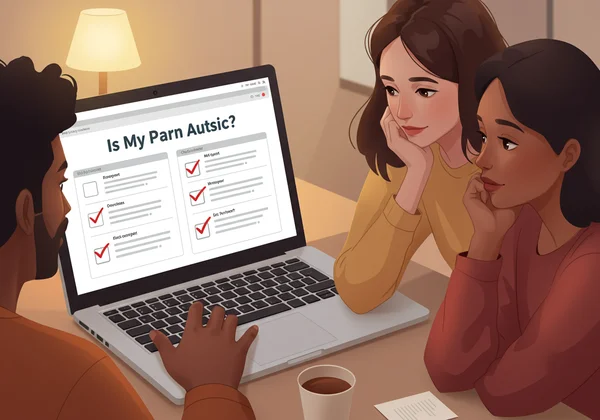
Understanding Autism Traits in Adult Relationships
Autism is a neurodevelopmental condition that affects how a person communicates, interacts with others, and experiences the world. In adults, especially those who were not diagnosed in childhood, these traits can be subtle or masked. Understanding these characteristics within the context of autism in relationships is key to fostering a supportive partnership. It’s not about labeling but about comprehending the underlying reasons for certain behaviors.
Recognizing Common Autistic Traits in Adult Partners
Observing specific patterns can be helpful. While every autistic person is unique, some common traits you might recognize in your partner include:
-
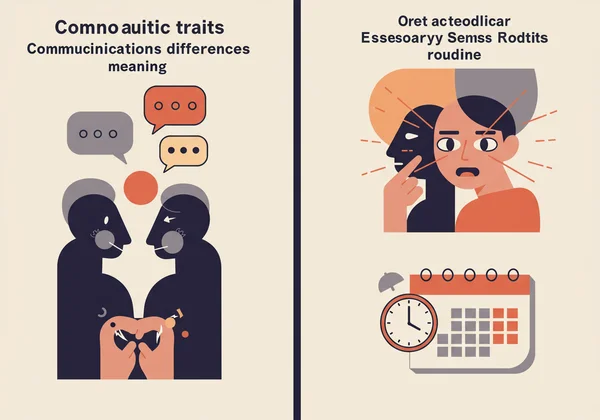
Communication Differences: They might be very direct and literal, sometimes unintentionally appearing blunt or critical. They may struggle to interpret sarcasm, irony, or non-verbal cues like facial expressions and body language.
-
Intense Special Interests: Your partner may have deep, passionate interests in specific subjects. They can talk about these topics for hours with incredible detail and enthusiasm, which is a core part of their identity.
-
Need for Routine and Predictability: They may find comfort in routines and become stressed or anxious when plans change unexpectedly. This desire for predictability helps them navigate a world that can often feel chaotic.
-
Sensory Sensitivities: They might be over- or under-sensitive to sensory input. This could mean finding certain lights too bright, sounds too loud, textures uncomfortable, or being less responsive to pain or temperature.
-
Social Energy and Exhaustion: After social events, even small ones, your partner may need significant time alone to recharge. This is often described as a "social hangover" and is a key aspect of managing autistic burnout.
How Autistic Traits Can Impact Relationship Dynamics
These traits can naturally influence relationship dynamics. For instance, a direct communication style might be mistaken for a lack of empathy, when it's actually an attempt at clarity. A need for alone time to decompress might be misinterpreted as withdrawal or disinterest, rather than a necessary act of self-regulation.
Understanding these differences is transformative. It shifts the perspective from "Why are they doing this to me?" to "What does my partner need right now?". Recognizing that their brain processes the world differently allows you to work together to find solutions that honor both of your needs, building a foundation of mutual respect. An online autistic test quiz can provide insights that help contextualize these observations.
Is My Partner Autistic? Exploring Online Quiz Options
If you're resonating with the traits described, you might be considering an online screening tool. An is my boyfriend autistic quiz or an is my girlfriend autistic quiz serves as an accessible first step to explore these possibilities privately and without pressure. These quizzes are designed to screen for common autistic traits based on established research.
Our platform offers scientifically-backed tools like the CAT-Q (Camouflaging Autistic Traits Questionnaire) that can provide valuable initial insights. By answering a series of reflective questions, you can see if your partner's behaviors align with common autistic experiences, giving you a clearer direction for what to learn next. This process can validate your feelings and provide a concrete starting point for discussion.
The Benefits of an Autistic Quiz for Partners
Taking an initial screening step can be incredibly empowering. The benefits of an autistic quiz go beyond a simple score. It provides:
- Validation: It can confirm that your observations are valid and shared by others in similar situations.
- A Language for Discussion: The quiz can give you the vocabulary to talk about specific traits with your partner in a neutral, non-confrontational way.
- Direction for Further Learning: A high score can suggest that learning more about autism, neurodivergent relationships, and autistic partner support would be beneficial.
- A Sense of Relief: For many, simply having a potential explanation for years of misunderstanding can bring immense relief and reduce feelings of frustration.
Online Quizzes: A Screening Tool, Not a Diagnosis
This is the most important takeaway: online quizzes are a screening tool, not a diagnosis. They are designed to indicate the presence of traits, not to provide a formal medical diagnosis. An official autism diagnosis can only be made by a qualified healthcare professional, such as a psychologist or psychiatrist, through a comprehensive evaluation.
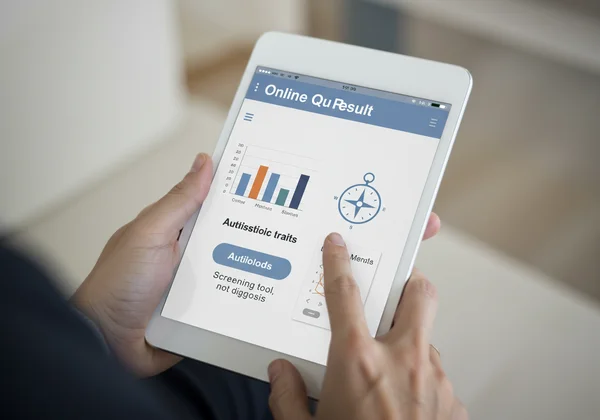
Think of an autism spectrum disorder quiz as a guidepost on your journey, not the final destination. It points you in a direction, empowering you with information to decide whether seeking a professional opinion is the right next step for your partner and your relationship. We are committed to providing a reliable, confidential, and insightful starting point for this exploration.
Building a Stronger Neurodivergent Relationship: Support & Communication Strategies
Discovering that your partner might be autistic opens up new ways to strengthen your relationship. It’s an invitation to build a partnership based on radical acceptance and effective communication. This is where you can focus on autistic partner support and cultivate a thriving neurodivergent relationship.
Fostering Mutual Understanding and Acceptance
The foundation of a strong neurodivergent relationship is fostering mutual understanding. This means accepting your partner for who they are, neurotype and all. Learn about their special interests, understand their sensory needs, and respect their need for downtime. In turn, share your own needs and feelings so you can build a bridge of empathy from both sides.
Practical Communication Tips for Neurodiverse Couples
Effective communication is often about being clear and direct. Here are some practical communication tips:
- Be Explicit: Avoid relying on hints, subtext, or sarcasm. Say what you mean clearly and kindly.
- Ask for Clarification: If you’re unsure what your partner means, ask. Similarly, encourage them to ask you for clarification.
- Schedule Check-ins: Set aside regular, dedicated time to talk about your relationship, what's working, and what’s challenging.
- Use "I" Statements: Frame your feelings from your perspective (e.g., "I feel lonely when...") instead of making accusations (e.g., "You always ignore me...").
Supporting Your Partner's Well-being and Sensory Needs
A crucial part of support is helping your partner manage their energy and sensory environment. This involves supporting their well-being and sensory needs. This could mean dimming the lights at home, using headphones in noisy places, or understanding that they may need to leave a party early. By helping create a safe and comfortable environment, you show them they are loved and accepted just as they are. This journey starts with understanding, which you can begin today by exploring an online quiz.
Heartfelt Reflection
Taking the first step toward understanding whether your partner is autistic is a powerful act of love. It’s a move toward empathy, away from misunderstanding, and toward a partnership that celebrates each other's unique wiring. An online quiz can be a valuable, pressure-free starting point on this journey of discovery and acceptance.
Embrace your partner's unique neurotype, foster open communication, and find strategies that work for both of you. A neurodivergent relationship can be incredibly rewarding, filled with honesty, passion, and a unique depth of connection. Ready to explore? Start your journey of understanding today and see what insights you can uncover together.
Your Questions Answered
What are the most common signs of autism in adult partners that I might observe?
Common signs in an adult partner can include a very direct or literal communication style, deep and specific special interests, a strong need for routine, sensory sensitivities to things like light or sound, and social exhaustion after interactions. You can gain more structured insights by using a tool like the CATQ test.
Can an online "is my partner autistic" quiz provide an official diagnosis?
No, an online quiz cannot provide an official diagnosis. It is a screening tool designed to indicate the likelihood of autistic traits. A formal diagnosis must be conducted by a qualified healthcare professional through a comprehensive assessment. An online quiz is a great first step for personal insight and to decide if you want to pursue a professional evaluation.
What should I do if an online quiz suggests my partner might be autistic?
If the results from an autistic adult quiz suggest your partner may have autistic traits, the next step is learning and communication. Start by researching autism in adults, especially in relationships. Then, find a gentle and supportive way to talk with your partner about what you've learned and your observations, emphasizing that this is about understanding, not fixing.
How can I best support my partner if they are autistic, and how does it affect our relationship?
The best support is rooted in understanding and acceptance. Learn their communication preferences, respect their sensory needs and need for downtime, and show genuine interest in their passions. This understanding can transform your relationship by replacing confusion with clarity and frustration with empathy, leading to a much stronger and more authentic connection.