Daily Life Strategies for Autistic Adults After Your Quiz
You’ve finished the quiz and looked at your scores. Perhaps you feel a sense of relief, or maybe you feel more confused than before. What do you do with this information now? For many adults, taking an online assessment is the very first step in a much longer journey of self-discovery. It isn’t just about a label; it’s about understanding why you experience the world the way you do.
Finding out more about your neurotype can be life-changing. It explains why some social situations feel exhausting or why certain sounds feel physically painful. If you haven’t taken a test yet, or if you want a more detailed look at your traits, you can explore your autism traits to get a clearer picture of your personal profile. This article will help you turn those quiz results into practical, daily actions that improve your well-being.

Translating Quiz Results into Autism Daily Strategies
Your quiz results often highlight specific areas where you excel or struggle. Instead of seeing these as "deficits," think of them as your personal operating system. When you understand your system, you can choose the right autism daily strategies to make life smoother. This transition from "What is wrong with me?" to "How do I support myself?" is the most important shift you can make. Implementing these autism daily strategies early on prevents the frustration that comes from trying to meet neurotypical standards.
Managing Executive Function Challenges
Decoding Executive Dysfunction in Adulthood
Many adults who score high on an autistic quiz struggle with executive dysfunction. This term describes challenges with the brain's "management system." It affects how you plan, organize, and start tasks. You might find it easy to do a complex project you love, but find it nearly impossible to wash the dishes or answer a simple email.
This isn’t laziness. It’s a biological difference in how your brain prioritizes information. To manage this, try "body doubling"—working alongside someone else—or breaking tasks into tiny, five-minute steps. If you want to see how your specific traits affect your daily tasks, you can unlock your AI analysis to get a personalized report that breaks down these challenges.
From Screening to Self-Accommodation
The goal of any screening tool is to move you toward self-accommodation. This means changing your environment or your habits to fit your needs, rather than forcing yourself to act "normal." If you realize through a quiz that you have high levels of social "masking," you might decide to spend more time alone to recover.
Self-accommodation can be small. It might mean wearing earplugs in a grocery store or using a fidget toy during a meeting. By accepting your neurodiversity, you stop fighting yourself. You start building a life that respects your energy levels. Taking a personalized autism assessment can help you identify exactly which areas of your life need these accommodations the most.

Neurodiversity at Work: Navigating Professional Life
The modern workplace is often designed for neurotypical people. Open-plan offices, constant meetings, and "unwritten" social rules can be overwhelming. Embracing neurodiversity at work means finding a balance between meeting your professional goals and protecting your mental health. It’s about working with your brain, not against it.
Identifying Your Workplace Support Needs
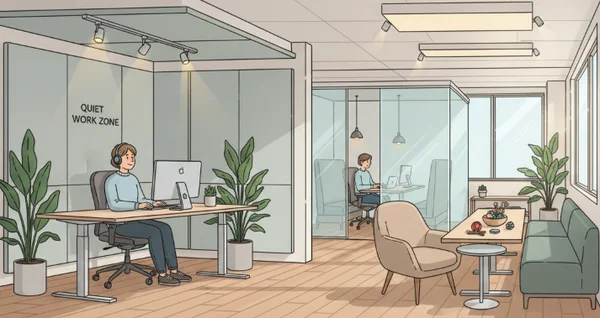
To succeed at work, you first need to identify your specific support needs. Look at your quiz results. Did you score high on sensory sensitivities? If so, you might need a desk in a quiet corner or permission to wear noise-canceling headphones. If your results showed challenges with social communication, you might prefer receiving instructions via email rather than in person.
You don’t always have to disclose a formal diagnosis to get support. You can simply state, "I’m more productive when I can focus without background noise." Identifying your specific traits through a reliable online test gives you the language to describe what you need to be your best self at work.
Autistic Energy Management and Burnout Prevention
Many autistic adults experience sudden energy crashes. One day, you’re fine. The next, you might struggle to speak or move. This is often called "hitting a wall." Effective autistic energy management is essential for preventing long-term exhaustion. It’s about learning to read your body’s signals before you reach a breaking point.
Using the Spoon Theory to Visualize Energy
The "Spoon Theory" is a popular way to understand limited energy. Imagine you start each day with 12 spoons. Every activity costs a spoon. Brushing your teeth might cost one, but a loud meeting might cost four. While a neurotypical person might have an endless supply of spoons, a neurodiverse person must choose where to spend theirs carefully.
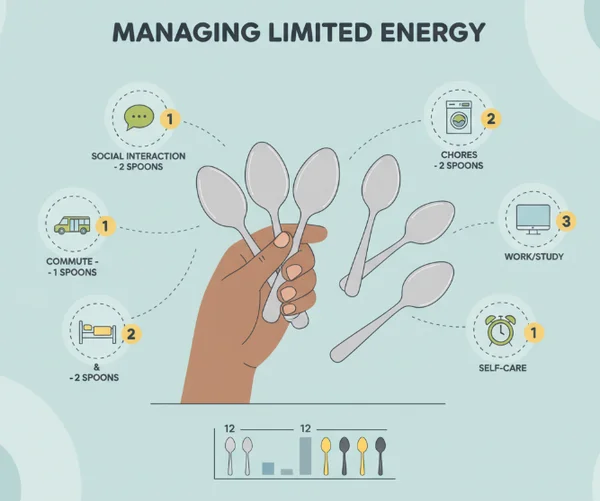
If you find yourself running out of "spoons" by noon, your quiz results might show why. High scores in "social camouflaging" or "sensory processing" indicate that you’re spending energy on things others find easy. To manage this, you can review your personalized results and identify the biggest "energy leaks" in your daily routine.
Recognizing Early Signs of Autistic Burnout
Autistic burnout is different from regular work stress. It’s a state of physical and mental exhaustion caused by years of trying to meet neurotypical expectations. Like a phone battery at 1%, autistic burnout leaves you with nothing left to give. Signs include a loss of skills you used to have, increased sensory sensitivity, and a total lack of motivation.
Suspect burnout is near? Identify your triggers first. Then, protect your energy. Cut back on social demands right away—your future self will thank you. Use your quiz insights to see if your current lifestyle is sustainable. A detailed AI report can offer specific advice on how to identify your specific burnout triggers and adjust your habits accordingly.
Sensory Regulation Techniques for Home and Socializing
Our environment constantly sends us data through sight, sound, smell, and touch. For many, this data is "too loud." Using sensory regulation techniques helps you turn down the volume of the world so you can feel safe and calm in your own body.
Creating a Sensory-Friendly Environment
Your home should be your sanctuary. Based on your quiz findings, you can make specific changes to your living space. If you’re sensitive to light, replace bright overhead bulbs with warm, dimmable lamps. If sound is an issue, use heavy curtains or "white noise" machines to mask outside disturbances.
Creating a sensory-friendly environment also applies to your clothes. Many autistic adults find relief in removing tags from clothing or wearing specific textures that feel "safe." By catering to your sensory needs, you lower your baseline stress level. You can take the autism screening to find out if your sensory profile is a major factor in your daily anxiety.
Building a Life That Fits Your Brain
Taking an autistic quiz is the start of a new chapter. It provides the "why" behind years of feeling different. However, the true value lies in what you do next. By using autism daily strategies, advocating for neurodiversity at work, and mastering autistic energy management, you can build a life that feels authentic and manageable.
Integrating these autism daily strategies into your routine helps you move from survival mode into a space where you can actually grow. Remember, you aren’t broken; you simply have a different way of processing the world. The goal isn’t to "fix" your autism, but to support your needs so you can thrive. If you’re ready to gain deeper insights into your strengths and challenges, we invite you to visit our autism resource hub and explore our AI-powered analysis. Your journey toward self-acceptance starts with understanding who you truly are.
The Takeaway
What should I do immediately after taking an autistic quiz?
First, take a deep breath and allow yourself to process the emotions. An online quiz is a screening tool, not a medical diagnosis, but it’s a valid way to begin your self-discovery. Read through your results carefully and look for patterns in your behavior. If you feel ready, you can get a personalized report to see more detailed suggestions on how to handle your specific traits in daily life.
Can an online quiz help with daily life strategies?
Think of your quiz results as a roadmap—they won’t magically fix things, but they’ll show you where to focus your energy for real change. Our autism screening platform provides insights that bridge the gap between "scores" and "actions." Once you know where the friction is, you can apply targeted strategies like the "Spoon Theory" or sensory regulation.
How do I explain my sensory needs to others?
It’s often helpful to use functional language. Instead of just saying "I’m autistic," you can say, "I have a high sensitivity to background noise, so it’s hard for me to hear you in this restaurant. Can we move to a quieter corner?" This explains the "why" and provides a solution. Understanding your own profile through a scientific quiz gives you the confidence to explain these needs clearly.
Is autistic burnout different from regular tiredness?
Yes, it’s much deeper. Regular tiredness is usually fixed with a good night’s sleep. Autistic burnout involves a total depletion of internal resources and can last for months. If you suspect you’re heading toward burnout, identify your triggers. Protect your energy and reduce your social demands immediately.
How does autism present differently in women?
Autism in women and girls often involves high levels of "masking" or mimicking social behaviors to fit in. This can lead to a later diagnosis, as the traits are less obvious to observers. Women might also have intense interests that appear more socially typical, though the depth of the interest remains characteristically autistic.