Autistic Quiz & Unmasking: A Gentle Guide to Authenticity
Are you constantly exhausted from pretending to be someone you're not? Many autistic adults spend their lives masking their true selves to fit in, which can lead to burnout and a deep sense of isolation. This can leave you wondering, How do I know if I am autistic? If you feel like you've been wearing a social costume for years, you are not alone. This guide offers a compassionate roadmap to gradually shed your mask and embrace your authentic autistic self. Understanding your traits is the first step, and a helpful autistic quiz can be a great starting point.
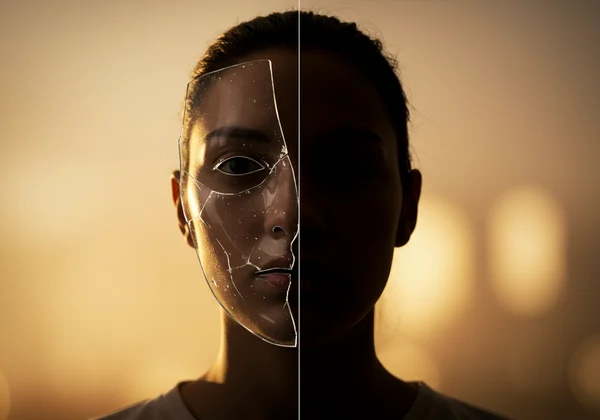
The Autistic Unmasking Process: What It Means & Why It's Hard
Beginning the autistic unmasking process means slowly letting go of the coping mechanisms you developed to hide your autistic traits. It's about allowing your genuine self—your natural ways of communicating, behaving, and processing the world—to come to the surface. This journey is profoundly personal and often challenging.
For years, you may have learned that your natural tendencies were "wrong" or "weird." Unlearning these deep-seated beliefs takes time, courage, and immense self-compassion. It's not about flipping a switch; it's a gradual journey of rediscovery.
Identifying Your Masks: The First Step to Authenticity
The first step is recognizing the masks you wear. These are often so ingrained that you might not even realize you're doing them. Masks can be subtle or significant, changing depending on the social situation.
Common examples of masking, also known as camouflaging, include:
- Forcing Eye Contact: Making yourself look at people even when it feels uncomfortable or overwhelming.
- Scripting Conversations: Mentally rehearsing what you're going to say before a social interaction.
- Suppressing Stims: Consciously stopping yourself from fidgeting, rocking, or making other self-soothing movements.
- Mimicking Social Cues: Copying the body language, tone of voice, and facial expressions of others to appear "normal."
- Hiding Special Interests: Avoiding talking about your passions for fear of being seen as obsessive or strange.
Recognizing these behaviors without judgment is crucial. Consider keeping a small journal to note when you feel drained or inauthentic. This can help you pinpoint which situations demand the most masking. To better understand these specific behaviors, an autistic masking quiz can provide valuable insights.
The Hidden Costs of Masking: Why Unmasking is Crucial for Well-being
While masking can feel like a necessary survival tool, it comes at a high price. Constantly monitoring yourself and suppressing your true nature is mentally and physically exhausting. This relentless effort is a primary contributor to autistic burnout.
Burnout isn't just feeling tired; it's a state of profound exhaustion that can lead to a loss of skills, increased sensory sensitivity, and severe mental health challenges. Beyond burnout, the hidden costs of masking include:
- Loss of Identity: You may feel disconnected from your true self, unsure of who you are without the masks.
- Chronic Anxiety: The constant fear of being "found out" or making a social mistake creates a persistent state of anxiety.
- Increased Depression: Feeling isolated and misunderstood, even when surrounded by people, can lead to deep feelings of loneliness and depression.
Unmasking is not just about comfort; it's a vital step toward preserving your mental health and reclaiming your identity.
Practical Steps for Gentle Unmasking in Daily Life
This unmasking guide focuses on gentle, sustainable changes. The goal is to create a life that fits you, not to force yourself into a world that doesn't. Remember to be kind to yourself and move at your own pace.
Reconnecting with Your Authentic Self: Practicing Stimming and Special Interests
A joyful part of unmasking is rediscovering the things that truly make you feel like you. This involves reconnecting with your authentic self and embracing parts of your neurotype you were taught to hide.
Start by allowing yourself to stim in a safe, private space. Whether it's rocking, flapping your hands, or fidgeting with a specific texture, stimming is a natural and healthy way for autistic people to regulate their emotions and sensory systems.
Likewise, dive back into your special interests without shame. These passions are a source of immense joy, knowledge, and energy. Allow yourself dedicated time to engage with what you love. This is a powerful way to recharge and feel more grounded in your identity. To explore your traits further, you can start your journey on our platform.

Setting Boundaries and Conserving Social Energy
Autistic individuals often have a finite amount of social energy. Masking drains this battery incredibly fast. A key part of unmasking is learning to set firm boundaries to protect your energy.
This can look like:
- Saying "no" to social invitations that you don't have the capacity for.
- Leaving events early when you start to feel overwhelmed.
- Scheduling quiet "recovery days" after intense social activities.
- Choosing environments that are less draining, like a quiet café instead of a loud bar.
Setting boundaries is not selfish; it's a necessary act of self-care. It allows you to show up more authentically in the moments that truly matter to you.
Communicating Your Needs to Trusted Individuals
As you begin to unmask, you can start communicating your needs to people you trust. You don't have to announce "I'm unmasking!" to the world. Instead, you can start with small, specific requests.
For example, you might say to a friend:
- "I find loud restaurants really overwhelming. Could we go for a walk instead?"
- "I need some quiet time to recharge after work. Can we talk later tonight?"
- "Sometimes I need to look away to process what you're saying. I'm still listening."
Start with the safest people in your life—those who have shown you kindness and acceptance. Their positive reactions can build your confidence to be more open with others over time.
Navigating Challenges and Building a Supportive Environment
Unmasking is not without its challenges. Some people may react with confusion or even negativity when your behavior changes. It's important to prepare for this possibility while focusing on building a supportive network that celebrates your authentic self.
Overcoming Fear of Rejection and Misunderstanding
The fear of rejection is real and valid. After a lifetime of trying to fit in, showing your true self can feel incredibly vulnerable. It's okay to be scared.
Acknowledge your fear, but don't let it paralyze you. Remind yourself that anyone who rejects the real you was only ever friends with your mask. True connection is built on authenticity. Self-compassion is your greatest tool here. Treat yourself with the same kindness you would offer a friend going through a difficult time. Understanding your profile through an autism spectrum quiz can provide the confidence you need.
Finding Your Tribe: Building Authentic Connections
One of the most rewarding aspects of unmasking is finding your community. Connecting with other autistic people can be a life-changing experience. For the first time, you may feel truly seen and understood without having to explain yourself.
Look for online groups, forums, and local meetups for autistic adults. These spaces are invaluable for sharing experiences, getting advice, and forming authentic connections. When you're with people who share your neurotype, the need to mask often melts away, allowing you to simply be yourself. This is a cornerstone of living authentically autistic.

Reclaiming Your Authentic Self: A Lifelong Journey
Unmasking autism is not a destination but a continuous journey of self-discovery and acceptance. There will be days when it feels easy and liberating, and other days when you may need to put a mask back on for safety or survival. That's okay. The goal is progress, not perfection.
By identifying your masks, setting boundaries, and connecting with a supportive community, you can build a life that is more aligned with who you truly are. You deserve to live without the exhausting weight of pretending. Are you ready to take the first step in understanding your unique traits? Take the CATQ quiz to explore your masking behaviors and begin your path to authenticity.
Frequently Asked Questions About Autistic Unmasking
What is Autistic Masking?
Autistic masking is the conscious or unconscious suppression of natural autistic traits to fit in with neurotypical social expectations. This can include faking facial expressions, forcing eye contact, and hiding stimming behaviors. It is a common coping mechanism, especially for those diagnosed later in life.
How Do I Know if I Am Autistic (Especially if I Mask)?
If you've spent your life masking, it can be difficult to recognize your own autistic traits. You might relate to feelings of chronic social exhaustion, feeling like an alien, or needing extensive time to recover from social events. Taking a scientifically-backed screening tool, such as the CATQ autistic quiz available on our site, can be an excellent first step for self-exploration and understanding your potential autistic traits.
What Should I Do After Taking an Autistic Quiz on Masking?
An online quiz is not a medical diagnosis, but it is a powerful tool for self-reflection. After taking a quiz, use the results as a guide for further research. Our site offers an enhanced AI-powered report that provides personalized insights into your strengths and challenges. This can help you decide if you want to seek a formal assessment from a qualified healthcare professional.
Is Unmasking Always Safe or Recommended?
Unmasking should be done with care and consideration for your environment. While it is crucial for long-term well-being, it may not be safe to unmask completely in all situations, such as unsupportive workplaces or family environments. It's a personal choice. You can start by unmasking in safe spaces and with trusted individuals before expanding to other areas of your life. Your safety and well-being should always come first.