Autistic Burnout: Strategies, Understanding & Your Autistic Quiz Journey
Feeling chronically drained, overwhelmed, or utterly exhausted? If you're autistic, or exploring your neurotype, these feelings might be more than just stress. They could be signs of autistic burnout or sensory overload. You are not alone in this experience. Many people find themselves asking, What are the signs of autism in adults? This guide offers compassionate, actionable strategies to help you move from surviving to thriving, understand your unique needs, and reclaim your well-being. The first step towards understanding is often self-exploration, and an autistic quiz can be a gentle starting point on that journey.
Understanding Autistic Burnout: More Than Just Fatigue
Autistic burnout is a state of intense physical, mental, and emotional exhaustion. It often includes a loss of skills and an increased manifestation of autistic traits. Unlike typical job burnout, it stems from the cumulative effect of navigating a world not designed for autistic minds. It's the result of constant masking, processing overwhelming sensory input, and managing social expectations.

What triggers autistic exhaustion?
Burnout doesn't happen overnight. It's a gradual erosion of your resources caused by persistent stressors. Key triggers include:
- Autistic Masking: The conscious or subconscious effort to hide or suppress autistic traits to fit in with neurotypical standards. This is incredibly energy-intensive. If you've ever wondered about this, an autistic masking quiz can provide some clarity.
- Sensory Overload: Constant exposure to bright lights, loud noises, strong smells, or crowded spaces can deplete your energy reserves, leading to shutdown or meltdown.
- Social Demands: Navigating complex social rules, interpreting nonverbal cues, and engaging in small talk can be exhausting.
- Executive Function Strain: The ongoing mental effort required for planning, organizing, and initiating tasks can be a significant drain.
- Life Changes: Major events, even positive ones like a new job or relationship, can disrupt routines and overwhelm your capacity to cope.
Identifying the signs of sensory overload
Recognizing the early signs is crucial for prevention. While burnout is the long-term consequence, sensory overload is often the immediate precursor. The signs can look different for everyone but often involve:
- Physical Symptoms: Increased heart rate, headaches, dizziness, or feeling physically ill.
- Emotional Dysregulation: Heightened anxiety, irritability, a sudden urge to cry, or feeling panicked.
- Cognitive Difficulties: Trouble concentrating, processing information, or making decisions. You might feel like your brain is "full" or "short-circuiting."
- Behavioral Changes: A strong need to withdraw or escape, increased stimming (repetitive movements), or becoming non-verbal.
Understanding these triggers and signs is the first step. If this resonates deeply with you, taking an am i autistic quiz could be a valuable tool for further self-discovery.
7 Essential Strategies to Recover and Thrive
Recovering from autistic burnout requires more than just a vacation. It involves fundamentally changing your relationship with your environment, your energy, and yourself. Here are seven strategies to help you manage overload and build a more sustainable life.
Strategy 1: Create sensory-friendly environments
Your environment has a profound impact on your well-being. Take control by creating spaces that soothe rather than drain you. This might mean installing dimmer switches for lights, using noise-canceling headphones in public, or choosing unscented laundry detergent. Identify your biggest sensory triggers and find practical ways to reduce your exposure to them. Your home should be your sanctuary.
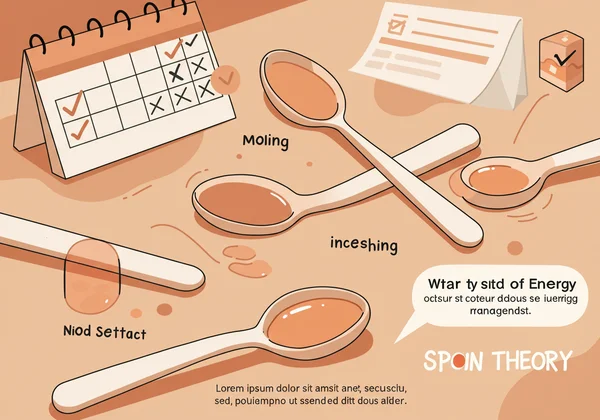
Strategy 2: Master energy accounting with spoon theory
"Spoon theory" is a helpful metaphor for managing limited energy. Imagine you start each day with a set number of spoons, and every activity—from showering to socializing—costs a spoon. Once your spoons are gone, they're gone. Learn to track what activities drain your spoons and which ones replenish them. This allows you to budget your energy more effectively, preventing the overdraft that leads to burnout. An autistic quiz for adults can sometimes highlight areas where you might be spending the most "spoons."
Strategy 3: Schedule intentional rest and downtime
For autistic individuals, rest isn't a luxury; it's a necessity. This means more than just sleep. It's about scheduling periods of true downtime where there are no demands on you. This could be 30 minutes of quiet solitude, listening to music without interruption, or simply lying down in a dark room. Protect this time fiercely. It is as important as any other appointment on your calendar.
Strategy 4: Practice authentic unmasking in safe spaces
Masking is a primary cause of burnout. The process of unmasking—allowing your authentic self to exist without apology—is liberating but must be done safely. Start with yourself or with trusted friends or family. Allow yourself to stim freely, talk about your interests without filtering, and honor your true needs. Unmasking reduces the cognitive load you carry daily, freeing up immense mental energy.

Strategy 5: Set and enforce personal boundaries
Saying "no" is a critical skill for preventing burnout. You have the right to decline social invitations that feel overwhelming, to leave situations that are causing sensory distress, and to ask for accommodations at work or school. Setting boundaries is not selfish; it is an act of self-preservation. Clearly communicating your limits protects your energy and teaches others how to support you best.
Strategy 6: Refuel with your special interests
Special interests are a cornerstone of autistic joy and well-being. Engaging deeply with your passions is not a frivolous hobby; it's a powerful way to recharge your batteries and enter a state of flow that combats stress. Dedicate time to your special interests without guilt. Whether it's coding, studying ancient history, or collecting plants, this is a vital source of energy and fulfillment. This is a key part of your journey to discover your results.
Strategy 7: Seek community and understanding
Connecting with other autistic people can be life-changing. Finding a community where you don't have to explain yourself or mask your traits provides immense relief and validation. Look for online forums, local support groups, or social media communities run by autistic advocates. Sharing experiences and strategies with people who "get it" combats the isolation that often accompanies burnout. Your journey of self-understanding can begin with a simple step, like taking a confidential autistic quiz online.

Frequently Asked Questions About Autistic Burnout
What is the difference between autistic burnout and regular stress?
While everyone experiences stress, autistic burnout is a more profound and prolonged state of incapacitation. It's specifically linked to the overload of being autistic in a neurotypical world. It often involves a loss of skills, such as the ability to socialize or perform daily tasks, which is not typical of standard stress or depression.
How can an online quiz help me understand if I'm experiencing burnout?
An online tool like an autistic burnout quiz can serve as a valuable reflective exercise. It can provide language for your experiences and highlight patterns you may not have noticed. While not a diagnostic tool, the questions can help you connect your feelings of exhaustion and overload to specific autistic traits, offering a framework for understanding and a starting point for seeking appropriate support.
What should I do after learning about autistic burnout?
The first step is to be compassionate with yourself. Acknowledge that your exhaustion is real and valid. Begin implementing the strategies discussed above, starting with the one that feels most manageable. Consider exploring your neurotype further by taking a screening tool like the CATQ quiz available on our site. Most importantly, if you are struggling significantly, seek out a therapist or professional who is knowledgeable about autism and neurodiversity.
Your Path to a More Balanced Life
Recovering from autistic burnout is a journey of self-discovery and self-advocacy. It's about learning to honor your needs, respect your limits, and build a life that aligns with your authentic neurotype. By creating sensory-friendly spaces, managing your energy, and allowing yourself to be you, you can move from a state of constant exhaustion to one of balance and well-being.
If you are just beginning to explore these concepts, a great place to start is with a deeper understanding of yourself. Visit our confidential autistic quiz to take a confidential, insightful quiz designed to help you on your path of self-discovery.