Autistic Burnout Quiz: Are Your Symptoms More Than Exhaustion?
It’s more than just being tired. It’s a profound, bone-deep exhaustion that sleep doesn’t fix. You might feel like you’re losing skills you once had, that the world has become too loud, too bright, and too demanding. If this resonates, you might be experiencing autistic burnout. Many adults go through this without ever realizing what it is, often before they even ask themselves, Am I autistic? This guide helps you identify the signs of autistic burnout and gives you clear, supportive steps toward recovery.
You are not alone in this feeling. We will walk through the signs of this specific type of burnout, explore gentle recovery steps, and discuss how understanding your own unique traits can be the first powerful step toward prevention. A journey of self-discovery can begin with a single question, and finding the right tools can make all the difference. To begin that journey, you can start your free autistic quiz.
What Are the Signs of Autistic Burnout?
Recognizing autistic burnout is the first step toward healing. It’s different from workplace burnout or general fatigue because its roots are tied to the specific experience of being autistic in a world not always built for neurodiversity. The signs often manifest as a combination of chronic exhaustion, increased sensitivity, and a shutdown of executive functions.
More Than Just Tired: Defining Autistic Fatigue
The core of autistic burnout is an intense, pervasive state of autistic fatigue. This isn’t the sleepiness you feel after a long day. It’s a complete depletion of your mental, emotional, and physical energy reserves. It can feel like your brain's battery is not just low but fundamentally broken, unable to hold a charge.
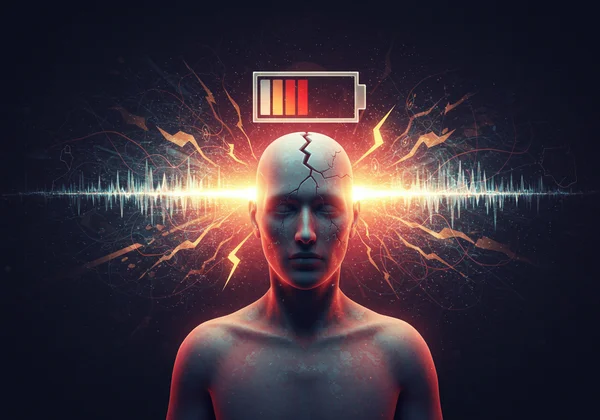
This state can lead to a significant loss of skills. You might find yourself struggling with tasks that were previously manageable, such as cooking, socializing, or even speaking. The immense effort required to navigate daily life, process sensory information, and manage social expectations simply becomes too much, leading to a system-wide shutdown. This is a clear signal that your mind and body are demanding a radical change.
Common Burnout Triggers in Autistic Adults
Understanding what triggers burnout can empower you to manage your energy more effectively. For many autistic adults, burnout is the cumulative result of navigating a world that constantly overloads their system. A primary trigger is sensory overload, where constant exposure to noise, light, or social stimuli drains your energy.
Another significant factor is social masking. Autistic masking is the conscious or unconscious effort to hide or suppress autistic traits to fit in with neurotypical peers. This constant performance—monitoring your body language, scripting conversations, and forcing eye contact—is incredibly taxing and a direct path to burnout. Additionally, the constant strain on executive function, the mental skills used for planning, organizing, and managing time, can leave you feeling perpetually overwhelmed and depleted.

Differentiating Burnout from Depression
It's common to confuse autistic burnout with depression, as they share symptoms like exhaustion and social withdrawal. However, there are key differences. Depression is often characterized by a persistent low mood and a loss of interest or pleasure in activities (anhedonia). While you might feel low during burnout, the core experience is one of losing skills and capacity, not necessarily losing pleasure in your interests—you just may lack the energy to engage with them.
Burnout is often a direct result of environmental and internal pressures exceeding your capacity to cope. Recovery typically centers on removing those pressures and allowing your system to rest and recharge. Depression, while it can be exacerbated by external factors, is a more pervasive mood condition. Understanding this distinction is vital for seeking the right kind of support and starting a path to true recovery. An autistic test quiz can sometimes provide clues that point toward autistic traits rather than just depression.
A Gentle Guide to Recovery and Prevention
Recovering from autistic burnout is not about "pushing through." It's about radically accepting your needs and giving yourself the grace and space to heal. This process is a marathon, not a sprint, and it requires patience, self-compassion, and a commitment to creating a more sustainable way of life.
The Power of Radical Rest and Reducing Demands
The most critical first step in recovery is radical rest. This means more than just sleeping; it involves actively reducing the demands on your system across the board. Take an honest inventory of your daily life. Where is your energy going? What can you temporarily or permanently let go of?
This could mean taking time off work if possible, minimizing social engagements, or simplifying your home environment to reduce sensory input. It’s about giving yourself permission to do less—far less than you think you should. Let the laundry pile up. Order takeout. Wear noise-canceling headphones. The goal is to create a low-demand environment where your nervous system can finally exit survival mode.

Re-engaging with Special Interests to Recharge
As your energy slowly begins to return, one of the most powerful ways to recharge is by reconnecting with your special interests. These are not mere hobbies; for many autistic people, they are a vital source of joy, flow, and energy. Engaging deeply in an activity you are passionate about can replenish your mental and emotional reserves in a way that passive rest cannot.
Whether it’s diving into a historical period, coding a new project, re-reading a favorite book series, or tending to your plants, make dedicated, guilt-free time for it. This is not selfish or unproductive; it is a fundamental part of your healing process. Your special interests are a lifeline back to your authentic self, a reminder of what brings you energy and delight.
Long-Term Strategies to Prevent a Relapse
Once you begin to feel better, the focus shifts to preventing a relapse. This involves building a life that honors your neurotype. A key strategy is learning to unmask and live more authentically, which reduces the constant energy drain of social performance. Exploring your traits through an autistic quiz for adults can provide the validation and language needed to start this process.
Other long-term strategies include:
- Energy Accounting: Learn to view your energy as a finite resource, like a daily budget. Know what activities drain you and what recharges you, and plan your days accordingly.
- Setting Boundaries: Learn to say "no" to protect your energy. This includes boundaries around social events, work demands, and sensory environments.
- Self-Advocacy: Communicate your needs to others when it is safe to do so. This could be asking for accommodations at work or explaining to a friend why you need to leave a party early.
Could an Autistic Burnout Quiz Offer Clarity?
If you're reading this and nodding along, you might be wondering what to do with this new information. How can you be sure this is what you're experiencing? This is where a well-designed autistic burnout quiz or a broader "Am I autistic?" quiz can serve as a valuable tool for self-exploration and provide a framework for your feelings.
What an Online Quiz Can (and Can't) Reveal
It is crucial to be clear: an online quiz is not a medical diagnosis. It cannot definitively tell you if you are autistic. However, it can act as a powerful screening tool. A science-backed quiz can analyze your responses and show you how your experiences align with known autistic traits, such as social camouflaging or sensory sensitivity.
A quiz can provide data points for your self-discovery journey. It can take the confusing, overwhelming feelings of burnout and connect them to a larger pattern of experience. This validation—seeing your struggles reflected in the questions and results—can be incredibly affirming and is often the first step toward seeking further understanding.
Using Quiz Insights for Self-Discovery
The results from an autistic quiz can offer a new lens through which to view your life. Instead of seeing yourself as "broken" or "too sensitive," you might start to understand your experiences as part of a different neurotype. This shift in perspective is empowering.
The insights gained can help you identify specific triggers and needs you may not have been aware of. For example, if your results point to high levels of social masking, you can begin exploring strategies to unmask safely. The goal is to use the quiz not as an endpoint, but as a starting point for deeper research, self-reflection, and potentially, conversations with a qualified professional.
Feeling overwhelmed and seeking answers? Your experience is valid. Take our free, confidential autistic quiz to gain insight into your personal traits. Our AI-powered reports can help you understand your unique strengths and challenges.
Your Path to Understanding and Recovery
Autistic burnout is a real, serious, and exhausting experience. But it is not a life sentence. Recovery is possible, and it begins with the radical act of understanding and accepting yourself. Recognizing the signs, honoring your need for rest, and developing long-term strategies to protect your energy are the keys to building a more sustainable and authentic life.
Your path to recovery is unique. By understanding your needs and learning to protect your energy, you can build a more authentic and sustainable life. Taking the first step to learn more is a powerful act of self-care. If this article has resonated with you, consider it a gentle nudge to continue exploring. Take our confidential quiz and take the next step on your path today.
Frequently Asked Questions About Autistic Burnout
Can an online quiz diagnose autism?
No, an online quiz absolutely cannot provide a medical diagnosis of autism. It is a screening and informational tool designed for self-exploration. The purpose of a tool like our online autistic quiz is to provide you with insights into your traits and to help you decide if you wish to seek a formal assessment from a qualified healthcare professional.
What are the first steps to take if I suspect I have autistic burnout?
The immediate first step is to reduce demands and prioritize rest. This is non-negotiable. Try to identify and minimize sources of stress and sensory overload. After that, focusing on self-understanding is key. Taking a confidential and free "Am I autistic?" quiz can be a low-pressure way to gather information and see if your experiences align with common autistic traits.
Is autistic burnout the same as autistic masking?
They are not the same, but they are deeply connected. Autistic masking is a common cause of autistic burnout. Masking requires an immense amount of continuous energy to perform neurotypical social behaviors. Over time, this chronic energy expenditure leads to the complete depletion and shutdown known as burnout. Unlearning masking is often a core part of long-term burnout prevention.